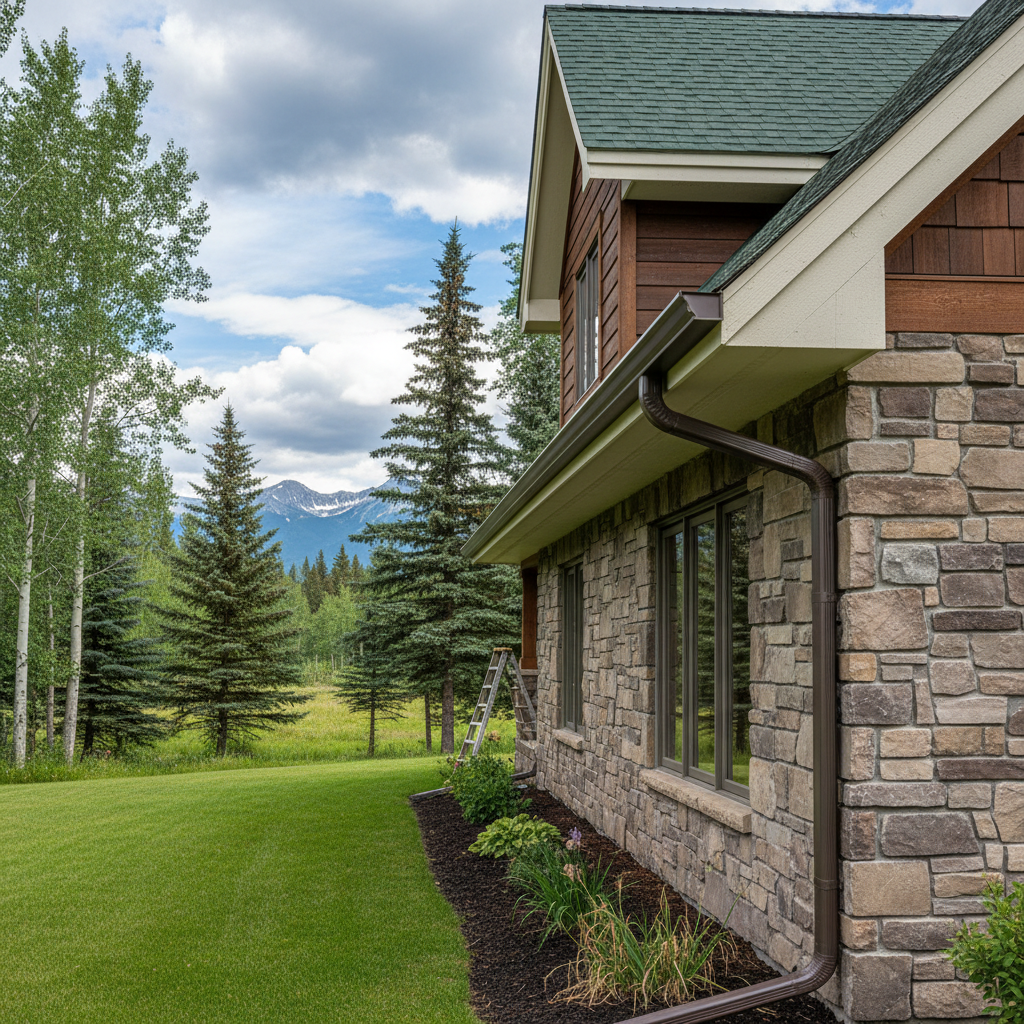
Ever look up at your roofline on a freezing January morning and notice strange ice formations that do not look right? Around Whitefish, winters do a number on houses. Between heavy snow loads sliding off metal roofs and the brutal freeze-thaw cycles we get from December through March, your roof's ventilation system takes a serious beating. Soffits often get ignored until something goes wrong, but they are the lungs of your roof.
Here is what you need to know about spotting trouble early, keeping your repairs intact, and knowing when it is time to call in some backup.
Warning Signs of Failing Soffits
You do not need to be a contractor to spot a failing soffit. You just need to look up every once in a while. If you live out by Beaver Lakes or up on the ridge where the wind really howls, pay extra attention to these red flags:
- Sagging or warped panels, especially if moisture got trapped behind them.
- Peeling paint or flaking wood on older homes in the older parts of town.
- Sudden scratching noises overhead, which usually means local wildlife found a gap to move into for the winter.
- Ice dams forming heavily on the lower edges of your roof, pointing straight to poor attic ventilation.
When wood rots or aluminum pulls loose from the framing, water gets straight into your attic space. That leads to mold and ruined insulation before you even realize you have a leak.
What Regular Maintenance Looks Like
You can prevent many problems with basic seasonal checks. Twice a year—once in the spring after the snow finally melts off the roof, and again in the fall before the first hard freeze—take a walk around your perimeter. Grab a pair of binoculars if you have a taller two-story place.
Clear out any debris stuck in the overhangs. If you have vented soffits, make sure pine needles and cottonwood fluff from local trees are not clogging the small holes. Your attic needs to breathe. If those vents block up, trapped heat causes ice dams faster than you can shovel your driveway.
Check the paint or finish, too. Whitefish gets intense UV exposure during dry summers, which bakes exterior paint until it cracks. Putting a fresh coat of high-grade exterior paint on wooden soffits every few years stops moisture from soaking into the grain.
How to Extend the Life of Your Soffit Work
If you recently fixed a section of your roof overhang, you want it to last. The secret here is keeping your gutter system flowing right. When gutters overflow because they are packed with autumn leaves or crushed by ice, water spills right back over the edge and rots the wooden sub-fascia and soffit boards. Aim High Gutter Co always tells homeowners that a good drainage setup is your soffit's best friend. Make sure your downspouts push water well away from your foundation so moisture does not cycle back up into the structure.
Choosing the right materials matters up here, too. If you are replacing damaged sections, consider heavy-duty aluminum or vinyl instead of standard plywood. They handle sub-zero Montana temperatures without warping or splitting.
When to Call a Professional
Some weekend do-it-yourself projects make sense, but working on roof overhangs on a steep pitch is risky, especially when ladders are involved on icy or uneven ground. Call a professional if you see widespread rot spreading into the roof rafters, or if animals have chewed through your framing. Getting up there and tearing into structural roof components can quickly open up larger issues. Let someone with the right tools and local experience handle the heavy lifting so you know the job is done right the first time.