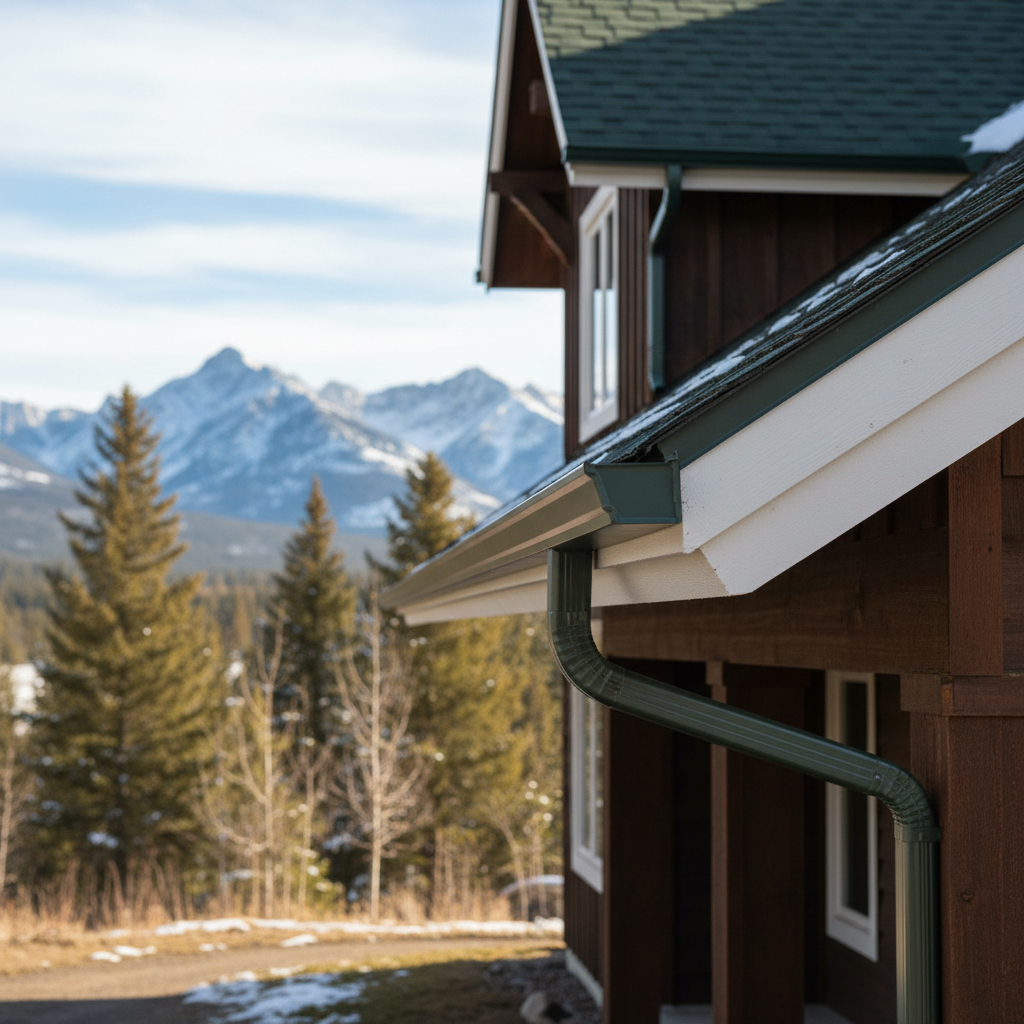
Your soffits – those panels tucked under your roof's overhang – they're more than just decorative. They actually play a pretty big role in protecting your home, especially here in Whitefish where we get all sorts of weather. Folks ask me about them a lot, so I figured I'd put together some straightforward answers. No fluff, just what I've learned over the years.
What exactly is a soffit, and why do I even need one?
Think of the soffit as the underside of your roof's eaves. It's that part that bridges the gap between your house's wall and the very edge of your roof. Its main job? Ventilation. It lets air flow into your attic, which is super important for stopping moisture buildup and keeping temperatures regulated. Without good attic ventilation, you're looking at potential mold, mildew, and even higher energy bills because your AC or furnace has to work overtime. Oh, and it also keeps pests like birds, bats, and squirrels out of your attic. Trust me, you really don't want those critters nesting up there.
How can I tell if my soffits need repair? What are the common signs?
It's usually pretty obvious once you know what to look for. Just step outside and take a good, hard look at your eaves. Do you see any visible holes, cracks, or sections that are sagging? That's a big red flag right there. You might also spot peeling paint, water stains, or discoloration, which often points to water damage. Sometimes, you'll notice signs of animal activity – nests, droppings, or maybe even hear scratching noises coming from your attic. If you spot any of these things, it's definitely time to get it checked out. Seriously, don't wait, because small problems tend to turn into big, expensive ones fast.
What causes soffit damage here in Whitefish?
Here in Whitefish, we deal with a few specific culprits. Water damage is probably the biggest one. Leaky gutters, ice dams (which are a regular headache around here, aren't they?), or even just heavy rain and snow can soak the soffit material. If your gutters aren't doing their job, water can overflow and run directly behind or onto the soffit. Pests are another huge factor. Squirrels, woodpeckers, and even those little field mice will chew through wood or vinyl soffits to get into a warm, dry attic, especially when winter hits. Then there's just plain old wear and tear from sun exposure, wind, and temperature fluctuations over the years. Sometimes, it's poor installation to begin with, but usually, it's one of those first two.
Can I just patch a damaged soffit myself, or do I need a professional?
It really depends on how bad the damage is. If it's a small, isolated crack or a tiny hole, you might be able to patch it up with some exterior caulk or a small piece of matching material. But if you've got widespread rot, significant sagging, or large holes from pests, you're probably better off calling in a pro. Soffit repair often means working at heights, dealing with underlying structural issues, and making sure proper ventilation stays in place. Plus, matching materials and making it look seamless can be tricky. If you're not comfortable on a ladder or don't have the right tools, don't risk it. It's just not worth a fall or a botched repair that just leads to more problems down the road.
What's the difference between wood and vinyl soffits when it comes to repair?
They're pretty different, actually. Wood soffits, especially common on older Whitefish homes, can rot, warp, or get eaten by pests. Fixing them often means cutting out the damaged section and replacing it with new, treated wood, then painting to match. It can be a bit more labor-intensive. Vinyl soffits, on the other hand, resist rot and pests better. They might crack, sag, or get blown off in high winds. Repairing vinyl usually involves replacing individual panels, and it's often quicker if you can find a matching panel. Sometimes, though, if the damage is extensive or the vinyl is old and brittle, replacing a whole section is the best bet. Each material has its pros and cons, and I've worked with both extensively over the years.
How much does soffit repair typically cost in Whitefish?
Ah, the million-dollar question! Honestly, it varies a lot. It depends on the material (wood versus vinyl), how bad the damage is, how accessible the area is, and if there are any underlying issues like rotten fascia boards or roof leaks that also need fixing. A small patch job might run you a few hundred bucks, but if you're looking at replacing a long section of soffit, especially if it's high up or requires scaffolding, that cost will definitely go up. I always recommend getting a few quotes, but make sure they're detailed. Here at Aim High Gutter Co., we'll give you a clear breakdown so you know exactly what you're paying for. Don't just go for the cheapest bid; make sure they're actually addressing the root cause, not just slapping a band-aid on it.
How can I prevent future soffit damage?
Good question! Prevention is always cheaper than repair. First, keep your gutters clean and in good working order. Clogged gutters are a leading cause of soffit and fascia damage, you know. Make sure they're draining properly and not overflowing. Second, trim back any tree branches that are overhanging your roof. They can drop debris into your gutters and also give pests an easy access point to your roofline. Third, inspect your roof regularly. Catching small leaks early can save your soffits a lot of trouble. And finally, if you have wood soffits, make sure they're well-painted and sealed to protect them from moisture. A little proactive maintenance goes a long way in keeping your soffits, and your home, in good shape.
When should I consider replacing all my soffits instead of just repairing them?
That's a good question, and one I get often. If you're seeing widespread damage across multiple sections, or if the material itself is old, brittle, and failing in several spots, then replacement might actually be the more cost-effective long-term solution. Sometimes, the cost of fixing numerous small areas adds up to almost the same as a full replacement, but a full replacement gives you a fresh start and a consistent look. Also, if you're upgrading your home's exterior – maybe getting new siding or a new roof – it often makes sense to replace the soffits at the same time. It ensures everything matches and you've got a fully protected, cohesive system. It's an investment, sure, but it adds value and, well, peace of mind.