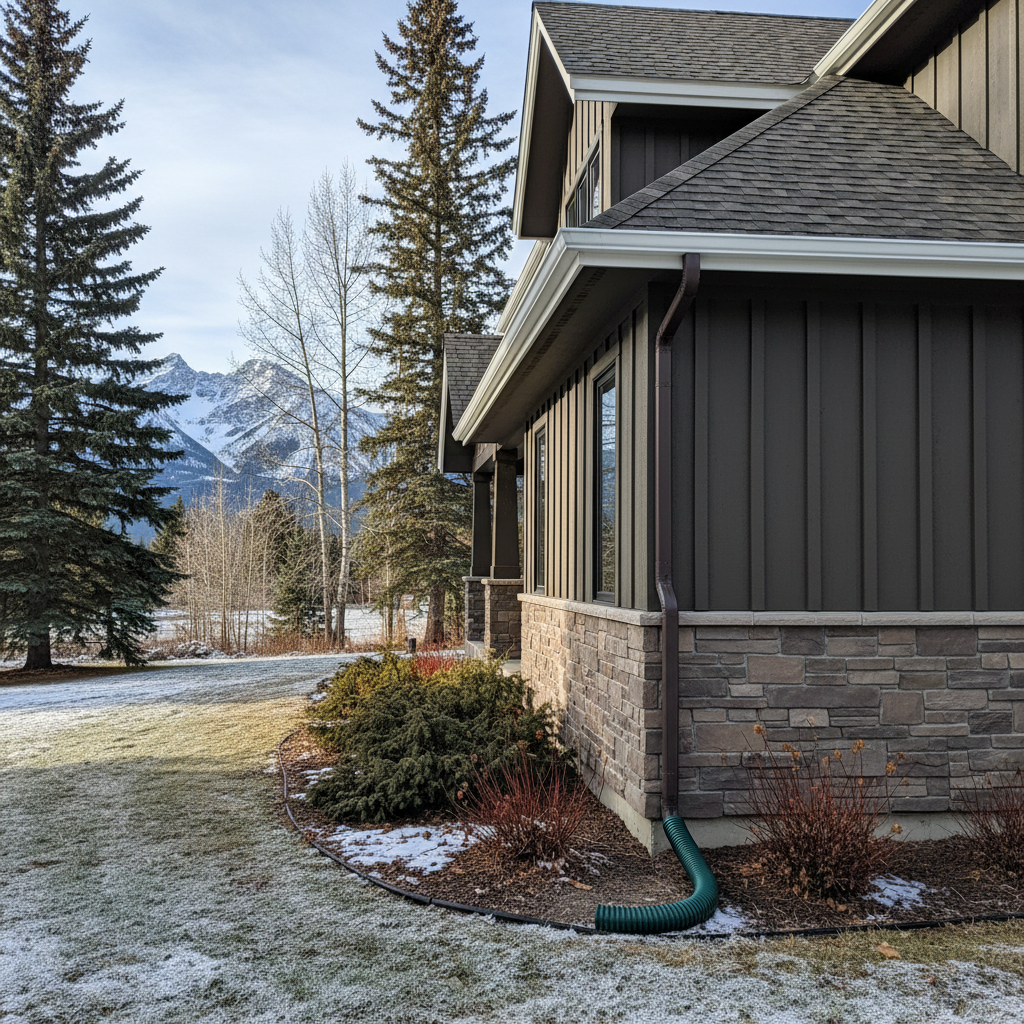
Thinking about new downspouts for your Whitefish home? Smart move. They're a really important part of your gutter system, making sure all that water gets directed away from your foundation. But it's not just about slapping them up; there's a real knack to getting them installed correctly, especially with our unique Montana weather. I've seen countless installations over the years, and honestly, good timing and careful planning make all the difference.
When's the Best Time to Put Up Downspouts in Whitefish?
Honestly, the best time to install downspouts—or do any gutter work, for that matter—is usually during the shoulder seasons. Spring and fall are perfect. Why? Well, there are a few good reasons.
First, the weather tends to be more predictable then. You won't have the extreme cold of winter or the scorching heat of summer. That means safer working conditions for my crew and better material handling. When it's too cold, some materials can get brittle, you know? Too hot, and things can expand in ways you really don't want during installation.
Second, it's often before or after the heaviest rain or snow. If we're putting in new downspouts, we want to make sure the system's ready to handle the next big weather event, not fighting against it while we're working. You certainly don't want us trying to work in a downpour, and frankly, we don't want to either.
Summer can work too, especially if you're proactive. But if you wait until August, you might find yourself competing with everyone else who just realized their old system isn't cutting it after a few summer storms. Winter? Forget about it for new installs unless it's an emergency repair. The ground's frozen solid, the snow's deep, and ice makes everything a lot more dangerous and difficult for everyone involved.
How Whitefish Weather Really Affects Downspout Work
Our local climate here in Whitefish is no joke. We get heavy snow loads, significant rain events, and then those freeze-thaw cycles that can really mess with things. This isn't like installing gutters in, say, Arizona. You've really got to think about a few things:
- Snow and Ice: This is probably the biggest factor. Downspouts need to be securely fastened and positioned to handle the weight of snow sliding off your roof. If they're not, they can get ripped right off, which is a headache nobody needs. We often recommend larger downspouts in areas prone to heavy snow, or even the use of downspout extensions that can be removed in winter to prevent ice buildup.
- Temperature Swings: Materials expand and contract. Good installation accounts for this. If downspouts are installed too rigidly in extreme temperatures, they can buckle or pull away from the house when the temperature shifts dramatically.
- Wind: We get some serious wind here, especially up on Big Mountain or out in the more exposed areas like the benches north of town. Downspouts need to be firmly attached to withstand those gusts. We use plenty of straps and the right fasteners to make sure they're not going anywhere.
- Rainfall Intensity: When it rains, it often pours. Your downspouts need to be sized correctly and have enough of them to handle the sheer volume of water coming off your roof. Too few or too small, and you'll have water overflowing your gutters, defeating the whole purpose.
When I'm out giving an estimate, I'm not just looking at your house; I'm looking at its orientation, the surrounding trees, and how the snow usually comes off your roof. It all plays a part in designing the right downspout system for *your* home.
Protecting Your Downspout Investment Year-Round
Once those new downspouts are up, you want them to last, right? Here's what you can do to protect your investment:
First off, keep your gutters clean. I know, I sound like a broken record, but clogged gutters mean clogged downspouts. If water can't get into the downspout, it's going to overflow, and that's bad news for your foundation and landscaping.
In winter, be mindful of ice. If you see ice dams forming in your gutters, that's a sign of a bigger problem, usually with attic insulation or ventilation. But even without dams, downspouts can freeze solid. If you have downspout extensions, consider removing them before the heavy snows hit. That way, if the downspout freezes, it's not trying to push through a foot of ice on the ground.
Check for damage after big storms. High winds can loosen straps, and heavy snow can bend things. A quick visual inspection after a rough weather event can catch small problems before they become big, expensive ones.
Consider downspout screens or filters, especially if you have a lot of trees. These can help keep leaves and debris out of the downspout itself, reducing clogs. Just remember, they'll need cleaning too.
And hey, if you ever have questions or see something that doesn't look right, give us a call at Aim High Gutter Co. We're always happy to come take a look and make sure your system is doing its job. A little maintenance goes a long way in making sure your downspouts protect your home for years to come.